AI note takers: consent, retention and the meetings they shouldn't join
The transcription bots are useful and, handled properly, entirely legal. They are also capable of quietly recording the one meeting you would least want on file.
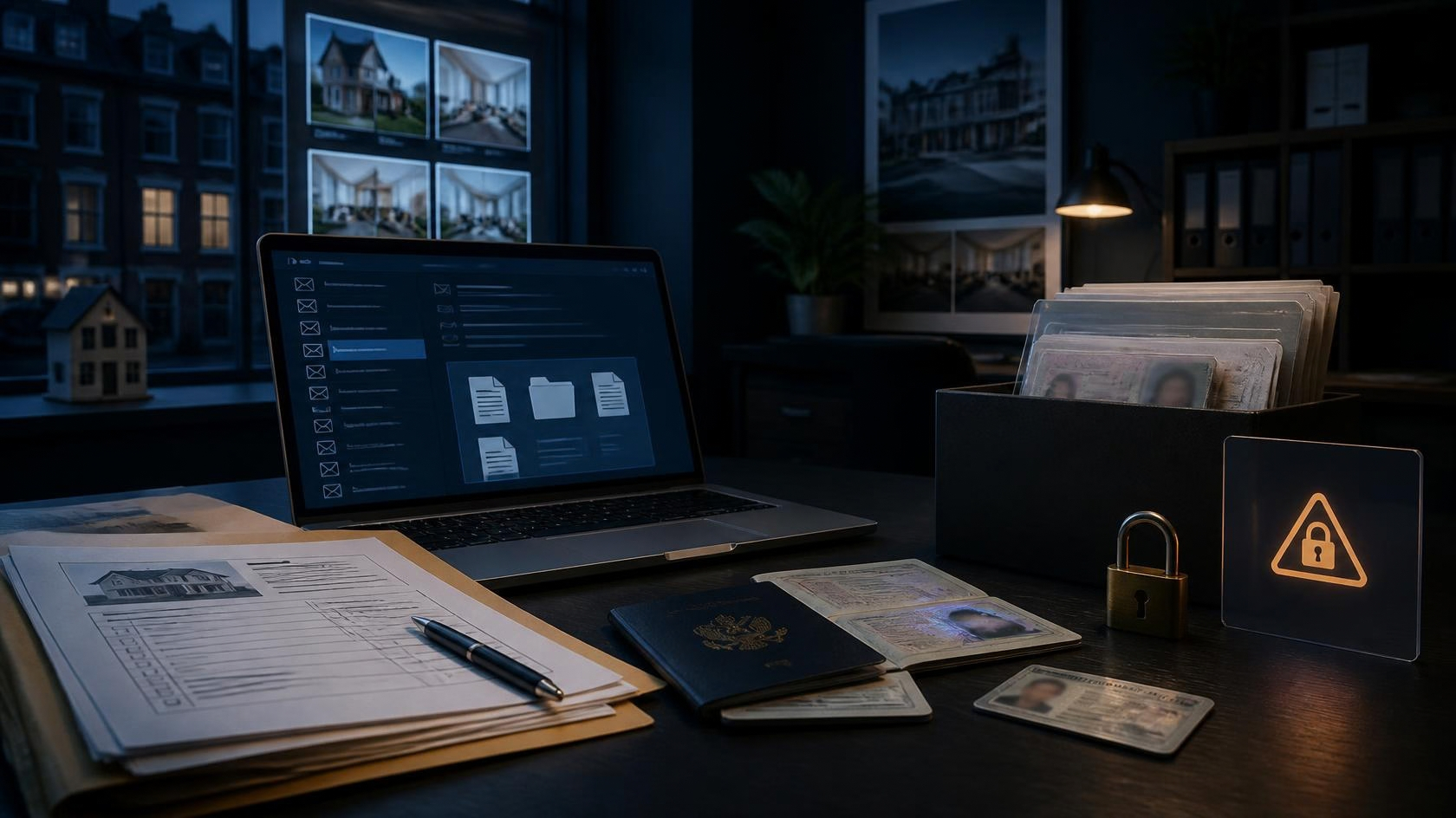
We like AI note takers. They save the awkward job of typing while listening, and the summary is usually good enough to save real time. So this is not a warning against them. It is a note about the two things that turn a helpful tool into an embarrassment: the meetings they join without anyone deciding they should, and how long the recording sits around afterwards.
The consent point is simpler than people fear. If a bot is recording, the people in the room should know, and in the UK you should be able to say so plainly at the top of the call. The trouble comes when the note taker joins automatically from a calendar invite, so it turns up in a one-to-one about someone's performance, or a call with a client's solicitor, and nobody thought to say it was there. That is where the awkwardness, and occasionally the legal exposure, lives.
Retention is the quieter problem. The transcript of every meeting you have had this year is a rich thing for anyone who should not have it - the offhand remark about a customer, the salary discussed in passing, the half-formed plan that never happened. If those transcripts live forever in a tool you barely administer, you have built a filing cabinet of sensitive material and left the key in the lock.
None of this means switching the tools off. It means deciding, once, which meetings the bot is welcome in and which it is not, saying out loud when it is recording, and setting the transcripts to delete themselves after a sensible window. Do that and you keep the time saving without keeping a liability. Skip it and you are one auto-joined call away from a conversation you did not want written down.
- ✓Decide which meeting types the note taker never joins: HR, legal, disciplinary, sensitive client calls.
- ✓Turn off auto-join from calendar invites so a human chooses to record each time.
- ✓Say clearly at the start of a call when it is being recorded and transcribed.
- ✓Set transcripts to delete on a schedule rather than keeping them forever.
- Guidance on AI and data protection INFORMATION COMMISSIONER'S OFFICE ↗
- Recording calls and meetings: your obligations GOV.UK ↗
- AI assurance techniques DSIT ↗
- The retention problem with meeting transcription tools COMPUTER WEEKLY ↗
Links open each publisher’s live coverage of this topic.